Love Game
Cologne’s sports grounds as social spaces in transition, caught between a membership boom, a volunteer crisis and a fading sense of community.
2022 18 images
18 images
Love Game
Love Game
2022
Cologne’s sports grounds as social spaces in transition, caught between a membership boom, a volunteer crisis and a fading sense of community.
A photographic project about club grounds as social spaces in transition. Between a membership boom, a volunteering crisis and the loss of community.
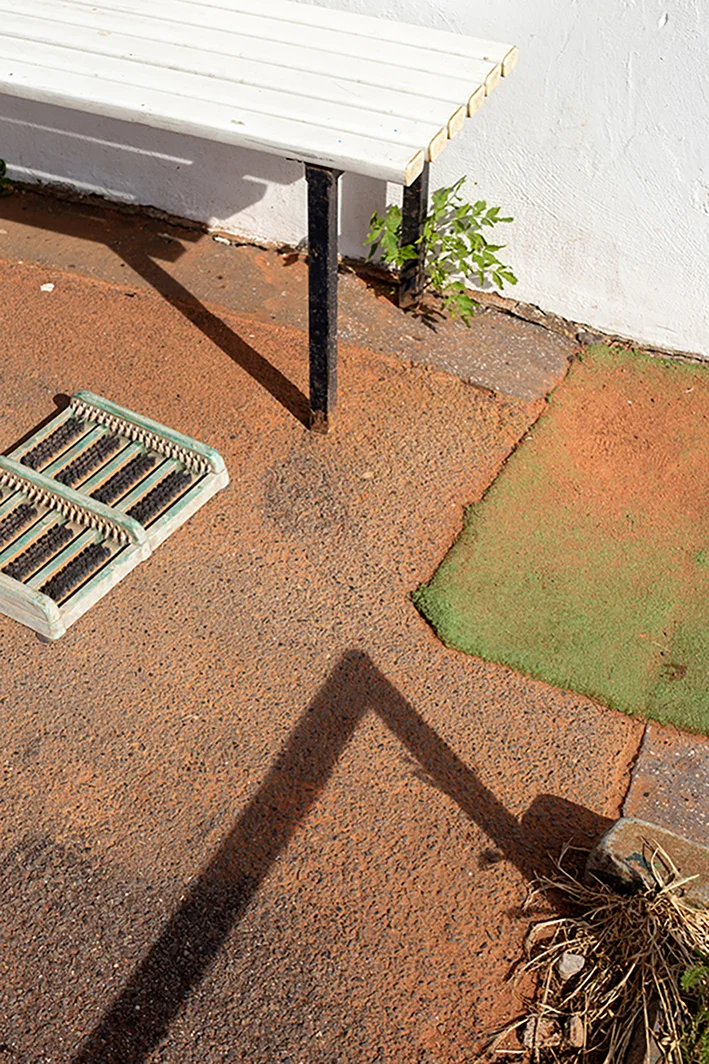
Love Game is a photographic project of documentation and reflection on the changing landscape of sports clubs in Germany. It starts in Cologne, a city that stands as an example of current developments. At more than ten clubs visited, the focus is not on the teams themselves but on the grounds: courts, clubhouses and facilities as social spaces in which community, belonging and voluntary commitment were anchored for decades.
The project examines the growing fragility of club life, which has traditionally relied on voluntary self-organisation. Clubs long served as a kind of substitute family; today these structures are under pressure. A declining willingness to take on responsibility meets an everyday life shaped by lack of time, demands for flexibility and the strain of work.
The picture is contradictory: in cities like Cologne, clubs have in some cases seen strong growth in membership, especially since the coronavirus pandemic. Sports such as tennis gained new popularity because they could be played comparatively well under pandemic conditions. Yet the basic problem remains: being a member does not automatically mean getting involved. Voluntary tasks, organisation and the upkeep of the grounds are taken on less and less often.
In rural regions the situation is different. Rural exodus and demographic change are shrinking membership, sometimes drastically. To keep the game going, teams are merged, players turn out for several teams, competitions can only be organised jointly. The grounds remain as places, but their social function is at stake.
Love Game makes these tensions visible. The photographs show places that seem at once lively and fragile, cared for and under threat. They tell of a club system in upheaval, in which the wish to belong persists while commitment and long-term involvement become increasingly brittle.
Although tennis is often perceived as elitist, today it is a broad sport rooted in society. That is precisely why the club ground lends itself as an exemplary place to ask fundamental questions about community, responsibility and cohesion in a changing society.